
Employment Contracts in the UAE: Key Legal Requirements
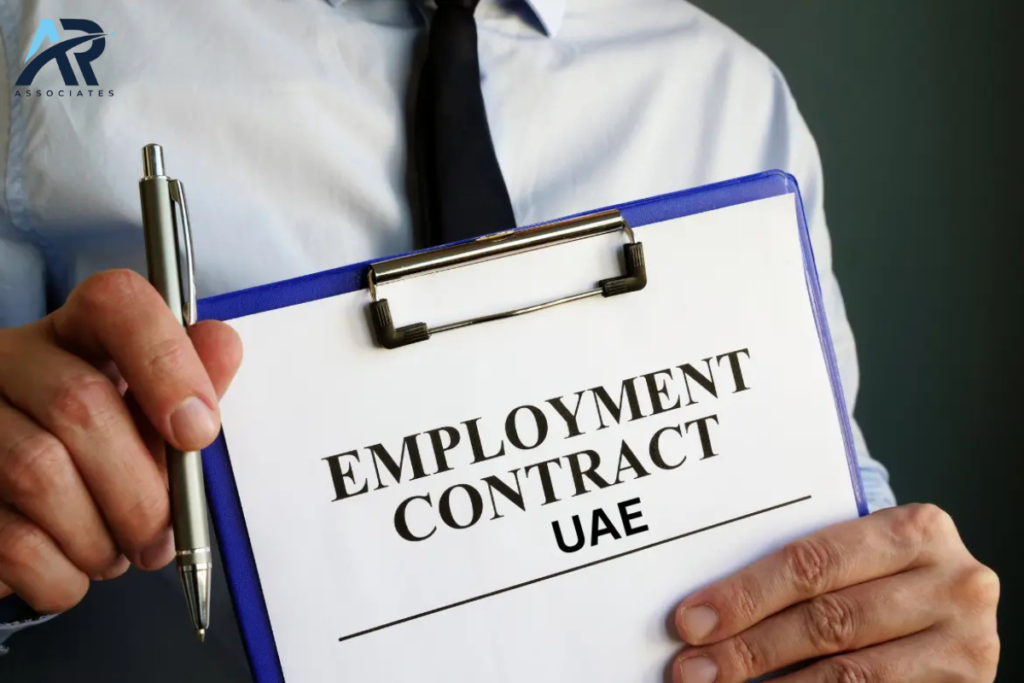
Employment contracts are the foundation of work relationships in the UAE. They clearly define the rights, duties, and responsibilities of both employers and employees. Properly drafted contracts prevent disputes, protect both parties, and ensure compliance with UAE labour law. Understanding Employment Contracts in the UAE Employment contracts in the UAE are written agreements between an employer and an employee. They govern working conditions, salary, benefits, and termination procedures. Since January 2025, unlimited contracts for new hires are no longer allowed. All contracts must be fixed-term with a maximum duration of three years and registered with the Ministry of Human Resources and Emiratisation (MOHRE). Every employment relationship requires a clear, written agreement. This ensures employees understand their duties and entitlements, while employers meet legal obligations. Registration with MOHRE confirms the contract’s validity and enables processing of work permits. Types of Contracts The most common type of contract in the UAE is the fixed-term contract. It has a maximum duration of three years and can be renewed for similar periods. Extensions count toward total service, and the terms must comply with UAE labour law. Existing unlimited contracts must be converted to fixed-term contracts within the set deadline. Current employees retain their rights during this transition, but employers need to update the contract within the allowed period. There are also specialized contracts for part-time work, temporary projects, flexible schedules, remote or hybrid work, and job-sharing arrangements. Each type defines work hours, responsibilities, and compensation according to the business’s needs. Essential Elements of a Contract A proper employment contract must include employee details such as full name, nationality, job title, department, and qualifications. It should clearly define the duration of employment, including the start and end dates, and the probation period, which cannot exceed six months. Probation periods count toward total service, and employers or employees can end probation early with 14 days’ notice. The contract must state working hours, daily and weekly limits, rest days, and the primary work location. Compensation details are equally important. The basic salary must make up at least 60% of the total package, separate from allowances and bonuses. Housing and transportation allowances should be specified, and payment schedules clearly defined. Employees are entitled to benefits like health insurance, end-of-service gratuity, and other legally required perks. Leave entitlements must be included, covering annual leave, sick leave, maternity leave, public holidays, and special leave such as bereavement or Hajj leave. Non-Competition and Employee Protection Non-competition clauses are permitted but must be reasonable. They cannot exceed two years after contract end, and their scope must be limited in terms of time, place, and nature of work. Employers must provide compensation during the restriction period, and employees can challenge clauses that are unfair or overly broad. Contracts should also include procedures for amendments. Any changes must be mutual, documented in writing, and reported to MOHRE if significant. This ensures that both parties remain compliant with UAE labour law and avoids disputes over unclear terms. Working Hours, Overtime, and Termination Standard working hours in the UAE are eight per day and 48 per week. During Ramadan, hours are reduced to six per day. Breaks of at least one hour are required. Overtime is limited to two hours per day and must be voluntary. Payment for overtime is calculated at 125% of the regular wage, or 150% for night shifts between 9 PM and 4 AM. Work on public holidays without a substitute day off must be compensated at 150% of the basic salary. Employment contracts must include clear termination rules. These can include mutual agreement, employer-initiated termination, employee resignation, or natural expiry of the contract. Notice periods range from 30 to 90 days depending on service duration, and during probation, 14 days’ notice is sufficient. Payment in lieu of notice is allowed when required. Common Mistakes to Avoid Employers often make mistakes by leaving job descriptions vague, failing to comply with labour law, or including overly restrictive non-compete clauses. Employees can make errors by signing contracts without review, not retaining copies, or being unaware of their legal rights. Proper employment contracts in the UAE must protect both parties. They should specify salary, working hours, probation period, benefits, leave entitlements, and non-competition terms clearly. Conclusion Employment contracts in the UAE carry significant legal responsibilities. Fixed-term contracts must be clearly drafted, registered with MOHRE, and comply with labour law. They must protect employee rights, define obligations, and provide clarity on salary, benefits, leave, probation, and termination procedures.For businesses and employees looking for professional guidance on employment contracts in the UAE, AR Associates offers expert services. Our team can draft, review, and update contracts to ensure legal compliance and protect both employer and employee rights. Contact AR Associates today to secure your workforce and business operations.
Franchise Contract in the UAE: Legal Risks and Compliance

Expanding a business through franchising in the UAE can be rewarding, but it comes with legal risks. A franchise contract defines the relationship between the franchisor and franchisee. It sets out rights, obligations, and consequences if the terms are not followed. Even small mistakes in the contract can lead to disputes or financial loss. Understanding what a franchise agreement must include is essential for both parties. What Is a Franchise Contract in the UAE? A franchise contract is a legal agreement between a franchisor (the business owner) and a franchisee (the investor). It allows the franchisee to use the brand, products, and systems of the franchisor to run their business. In the UAE, franchise contracts are governed by general commercial law. The agreement should clearly define business operations, responsibilities, and how disputes will be resolved. Using a franchise agreement sample can help understand the structure, but it does not guarantee compliance with UAE law. Key Elements of a Franchise Contract A well-drafted franchise contract protects both parties and ensures smooth operations. Key sections include: 1. Identification of Parties The contract should clearly state the names, addresses, and legal registration of both franchisor and franchisee. This is especially important for foreign franchisors working with local sponsors or agents. 2. Grant of Rights and Scope The contract must define where the franchisee can operate and what type of business they can run. Exclusive rights for specific regions should be clearly mentioned to avoid territorial disputes. 3. Contract Duration and Renewal The contract should specify how long it lasts, typically five to ten years, and the renewal process. It must also explain conditions for early termination by either party. 4. Fees and Payments The agreement should detail all financial obligations, including initial franchise fees, ongoing royalties, marketing contributions, and other charges. Payment schedules and methods should be clearly stated. 5. Training and Support Franchisors usually provide initial training and ongoing support. The contract should outline the location, duration, cost, and scope of this training for the franchisee and their staff. 6. Brand and Intellectual Property The contract must specify how the franchisee can use trademarks, logos, designs, and business methods. Unauthorized use should have clear legal consequences. 7. Operational Standards Consistency is crucial for brand reputation. The agreement should define store layout, quality controls, product sourcing, and service standards. 8. Marketing and Advertising The contract should explain who is responsible for funding and approving marketing campaigns. This ensures brand consistency across all outlets. 9. Dispute Resolution and Termination The agreement should include procedures for handling disputes, typically through UAE arbitration or courts. It must also define breaches, notice periods, and exit procedures. 10. Confidentiality and Non-Compete Franchise agreements often include terms to protect trade secrets and prevent franchisees from competing during or after the agreement term. Risks of Using Generic Franchise Templates A generic franchise contract may look complete but rarely covers UAE-specific laws. Templates often miss rules about local licensing, foreign ownership, or import/export restrictions. Relying on a template can leave the business exposed to legal disputes and financial loss. Tailor-made contracts reduce risk and ensure compliance. How Legal Experts Can Help in the UAE Franchise contracts involve brand rights, operations, finances, and long-term commitments. Even small errors can cause disputes. Working with franchise agreement lawyers ensures every clause protects your business and complies with UAE law. Their support includes: Engaging legal support before signing ensures protection for your investment, brand, and operations. Importance of Contract Drafting in UAE Proper contract drafting in UAE is critical. It not only prevents disputes but also defines expectations clearly. A well-prepared contract ensures both franchisor and franchisee understand their roles, financial obligations, and legal rights. Investing in professional contract drafting saves time, money, and potential legal challenges. Conclusion Franchise contracts in the UAE carry legal risks if not handled correctly. A clear, comprehensive agreement protects both parties, ensures compliance, and prevents disputes. Always involve a legal expert early. Drafting a tailored contract is safer than relying on templates. Proper legal guidance strengthens your franchise and secures long-term business success.For expert assistance with franchise contracts and legal compliance in the UAE, contact AR Associates today. Our experienced team can help draft, review, and negotiate agreements to protect your business and investments.
How UAE Contract Law Protects Businesses and Investors
Doing business in the UAE requires more than agreements—it requires enforceable contracts that withstand legal scrutiny. The Civil Transactions Law (Federal Law No. 5 of 1985) sets the foundation for all commercial, employment, and property contracts. Understanding UAE contract law ensures businesses and investors avoid disputes, protect assets, and operate with confidence. Contract law in 2026 offers strong protection to businesses and investors only when agreements are properly drafted, legally compliant, and supported by clear evidence. Under the UAE Civil Transactions Law and Commercial Transactions Law, courts strictly assess contracts based on written terms, lawful intent, and adherence to mandatory legal provisions. Any ambiguity, missing clause, or conflict with UAE law may weaken enforceability or limit available remedies. This is why professional agreement drafting in the UAE is essential for safeguarding investments, managing commercial risk, and ensuring that contracts remain enforceable across Dubai, Abu Dhabi, and all Emirates. Why Contract Law Matters in the UAE Contracts in the UAE define clear obligations. They prevent misunderstandings between: For instance, a supply agreement without clearly defined delivery timelines and penalties can quickly lead to costly litigation. UAE courts evaluate contracts strictly based on intent, good faith, and compliance with law, making precise drafting essential. Key Protections Offered by UAE Contract Law 1. Legal Validity and Enforceability A contract is legally valid if it includes: Written agreements are not always mandatory but are highly recommended. Certain contracts—employment, real estate, or guarantees—must be registered or in writing. Failure to meet these standards can render agreements unenforceable. 2. Clarity in Obligations Ambiguous terms are a common cause of disputes. UAE courts interpret unclear language against the party that drafted it. Clearly specifying deliverables, payment schedules, and performance standards reduces litigation risk. Example: A joint venture agreement in Dubai should explicitly state profit-sharing percentages, voting rights, and management responsibilities. 3. Termination and Breach Remedies Contracts must outline termination conditions, notice periods, and remedies: UAE law allows remedies such as damages, restitution, or specific performance if obligations are unmet. Including a cure period before termination is highly recommended. 4. Liability and Risk Management Limitation of liability clauses are enforceable if proportionate and clear. Absolute exclusions may be invalid. Effective contracts define: These clauses protect businesses from unforeseen financial exposure. 5. Implied Obligations and Good Faith Even if not stated, UAE courts imply duties such as good faith, honesty, and fair dealing. Businesses must: Example: A service provider failing to meet promised standards may be liable even if the contract does not explicitly cover performance metrics. Practical Scenarios Commercial Agreements A Dubai-based importer signs a supply contract with an overseas manufacturer. Without clearly stated delivery timelines and penalties, delayed shipments can disrupt operations. Proper agreement drafting in the UAE ensures enforceable terms for delivery, payment, and dispute resolution. Employment Contracts Federal Decree-Law No. 33 of 2021 requires written contracts detailing roles, salaries, and work hours. Non-compliance can lead to disputes or government penalties. Drafting precise employment agreements protects both the employer and employee. Real Estate Transactions Property contracts require registration with the Land Department. Specific clauses for payment schedules, developer obligations, and handover timelines prevent costly litigation. Investor Agreements Foreign investors entering UAE free zones must ensure contracts reflect the correct governing law—DIFC or ADGM contracts follow common law, while onshore contracts follow civil law. Proper drafting reduces conflicts and protects investments. Dispute Resolution Under UAE Law Contracts should outline dispute resolution to avoid prolonged litigation: A well-drafted contract defines jurisdiction and governing law to prevent forum conflicts. Role of Legal Experts Engaging UAE legal professionals ensures contracts: Proper legal review minimizes potential financial and reputational losses. Best Practices to Protect Your Business Conclusion UAE contract law is a strong tool for protecting businesses and investors. Clear, enforceable contracts minimize risks, resolve disputes efficiently, and build trust in professional relationships. Engaging legal experts and following best practices in agreement drafting in the UAE ensures contracts withstand legal scrutiny and support sustainable business growth across all Emirates. Ready to protect your business and secure your investments? Contact AR Associates today for expert contract drafting and legal guidance across Dubai, Abu Dhabi, and the UAE. Frequently Asked Questions Is UAE contract law favorable to foreign investors? Yes. UAE contract law provides strong protection to both local and foreign investors, provided contracts are properly drafted and legally compliant. Foreign investors enjoy equal enforceability of contractual rights, particularly when agreements clearly specify governing law, jurisdiction, and dispute resolution mechanisms. Are written contracts mandatory in the UAE? While UAE law does not require all contracts to be in writing, written agreements are strongly recommended and are often mandatory for employment, real estate, guarantees, and regulated commercial activities. Written contracts provide clear evidence and are significantly easier to enforce before UAE courts and arbitration tribunals. Can UAE courts enforce contracts signed outside the UAE? Yes. UAE courts can enforce contracts signed outside the UAE if they comply with UAE public order, mandatory laws, and evidentiary requirements. In many cases, contracts must be properly legalized and translated into Arabic where required, and must not conflict with UAE legal principles. What happens if a contract clause conflicts with UAE law? Any clause that contradicts mandatory UAE laws may be declared invalid or unenforceable. However, the remaining provisions of the contract may still remain valid if they are legally independent. This is why professional agreement drafting in the UAE is critical. Do UAE courts recognize limitation of liability clauses? Yes. Limitation of liability clauses are generally enforceable if they are reasonable, proportionate, and clearly drafted. However, clauses that attempt to exclude liability for fraud, gross negligence, or mandatory statutory obligations may not be upheld by UAE courts. Which law applies to DIFC or ADGM contracts? Contracts governed by DIFC or ADGM laws follow common law principles. This differs from mainland UAE contracts, which operate under a civil law system. Selecting the correct governing law is essential, especially for foreign investors and complex commercial transactions. Is arbitration better than court litigation in the UAE? Arbitration can be
Contract Enforcement in the UAE: What Businesses Need to Know

Contracts are the backbone of business in the UAE. They define rights, obligations, and procedures to resolve disputes. Understanding how contracts are enforced helps businesses protect themselves and avoid costly conflicts. Contract enforcement in 2026 is governed primarily by the UAE Civil Transactions Law, UAE Commercial Transactions Law, and the UAE Civil Procedures framework, which collectively determine how agreements are interpreted, enforced, and remedied by UAE courts and arbitration tribunals. UAE courts place strong reliance on written contracts, clear obligations, and legally compliant clauses when assessing breach, liability, and damages. Businesses operating in Dubai and across the UAE must ensure their contracts are properly drafted, evidence-based, and aligned with mandatory UAE laws, as poorly drafted or non-compliant agreements may face delays, limited remedies, or partial unenforceability during enforcement proceedings. Validity Requirements of Contracts A contract is valid in the UAE when it meets key conditions: Although verbal contracts can sometimes be enforceable, written agreements are strongly recommended. Writing provides evidence and clarity. Certain contracts, like employment agreements or real estate transactions, require registration or specific forms. Language Considerations Arabic is the official language in UAE courts. English is commonly used in business. For contracts in multiple languages: This ensures enforceability and reduces interpretation disputes. Governing Law and Dispute Resolution Choosing the right law and dispute forum is critical. Options include: Without a clause specifying governing law and venue, conflicts can arise, delaying enforcement. Including pre-litigation steps, like mediation, can save time and cost. Types of Contracts and Their Requirements Different contracts have specific enforcement rules: Understanding these requirements ensures contracts are legally enforceable in their specific domain. Limitation and Exclusion of Liability Limiting liability is generally enforceable if: Absolute exclusions may be struck down by UAE courts. Clearly define caps, exclusions for indirect losses, late payment penalties, warranties, and claims procedures. This reduces risk and aligns expectations. Implied Terms and Good Faith UAE law may imply obligations not expressly stated in a contract. For example, good faith and customary business practices. To prevent disputes: This reduces the risk of courts interpreting terms differently than intended. Termination and Breach Clear termination clauses are crucial for enforceability: These measures protect both parties and reduce litigation risks. Force Majeure and Frustration Force majeure clauses protect parties when performance becomes impossible due to external events: Without a force majeure clause, courts may apply frustration principles, but outcomes are uncertain. Proper drafting ensures predictability. Essential Technical Clauses Contracts should include provisions for: These clauses protect business interests and mitigate potential disputes. Contract Governance and Evidence Effective enforcement requires proper governance: Strong documentation supports enforcement in case of disputes. Why Agreement Drafting in the UAE Matters Professional Agreement Drafting in the UAE ensures contracts: Investing in expert contract drafting reduces disputes, improves business relationships, and strengthens compliance with UAE laws. Conclusion Contract enforcement in the UAE depends on clarity, compliance, and thorough drafting. Valid agreements, proper language, governing law selection, technical clauses, and strong governance all support enforceability. By understanding UAE contract rules and engaging legal experts, businesses can protect their interests, reduce risks, and ensure smooth execution of agreements. Avoid costly disputes and secure your business with professional contract drafting. Contact AR Associates today to ensure your agreements are fully enforceable.
Common Contract Mistakes Businesses Make in the UAE (And How to Avoid Them)

In the UAE, a well-drafted contract is the backbone of any business relationship. Even small mistakes can lead to costly disputes and legal issues. Understanding common pitfalls and learning how to avoid them is essential for protecting your business. Most commercial disputes in 2026 still arise not from bad intentions, but from poorly drafted contracts that fail to comply with the UAE Civil Transactions Law, Commercial Transactions Law, and applicable free zone or emirate-specific regulations. UAE courts rely strictly on written contractual terms when assessing liability, breach, and remedies. Any agreement containing vague language, missing essential clauses, or provisions that conflict with mandatory UAE law may be interpreted against the drafting party or declared partially unenforceable. This is why professional agreement drafting in the UAE is critical for businesses seeking legal certainty, enforceability, and protection against avoidable disputes. Not Clearly Defining Terms and Conditions Vague language is one of the most frequent errors in business contracts. Phrases like “reasonable effort” or “as soon as possible” leave room for interpretation. This can result in disagreements about responsibilities, deadlines, or payment terms. Courts may interpret unclear terms differently than intended. How to avoid it:Use clear, simple language. Define deadlines, payment schedules, deliverables, and each party’s responsibilities. Avoid jargon and technical terms unless necessary. Failing to Address Potential Risks Many contracts overlook potential risks. Without proper clauses, unexpected events can lead to disputes or financial losses. How to avoid it:Identify all possible risks, such as delays, supply issues, or regulatory changes. Include clauses that explain how these risks are managed. Consulting a corporate lawyer helps ensure all scenarios are covered. Overlooking Termination Clauses Contracts without clear termination terms can create problems if a party wants to exit early. Ambiguous exit rules may result in legal battles or financial penalties. How to avoid it:Specify conditions for termination, notice periods, and any penalties for early exit. Clear termination clauses ensure both parties know their rights and obligations. Ignoring Local Laws and Regulations The UAE has a unique legal system combining civil law and elements of Sharia. Contracts that don’t comply with local regulations can be unenforceable. How to avoid it:Ensure the contract follows UAE federal laws and emirate-specific regulations. Consult legal experts familiar with local business laws and labor regulations. Not Reviewing the Contract Thoroughly Even well-drafted contracts can fail if they are not reviewed carefully. Missing details or unfavorable terms can create disputes and financial risk. How to avoid it:Have qualified legal professionals review the contract before signing. Check every clause, confirm alignment with business goals, and ensure no risks are overlooked. Ignoring Payment Terms and Deliverables Unclear payment schedules or vague deliverables are frequent sources of conflict. Parties may disagree on when payments are due or what constitutes completion. How to avoid it:Clearly outline amounts, due dates, payment methods, and deliverables. Include penalties for late payments and mechanisms for dispute resolution regarding performance. Overcomplicating the Language Some contracts try to use complex legal terms or long sentences. This can confuse the parties and increase the chance of misinterpretation. How to avoid it:Keep sentences short and straightforward. Use everyday words. Only include technical terms when necessary, and define them clearly. Neglecting Dispute Resolution Clauses Contracts without clear dispute resolution methods can lead to lengthy, expensive litigation. In the UAE, arbitration is often preferred for commercial disputes. How to avoid it:Specify whether disputes will be handled through arbitration, mediation, or courts. Include governing law, venue, and procedures to streamline resolution. Failing to Protect Confidential Information Sensitive business information can be exposed without confidentiality or non-compete clauses. This can damage competitive advantage or client relationships. How to avoid it:Include clear confidentiality obligations. Specify how information can be used and what happens if a party breaches these terms. Why Agreement Drafting in UAE Matters Proper Agreement Drafting in the UAE ensures contracts are legally enforceable and reduce risk. Well-drafted agreements: Investing in professional contract drafting is an investment in business security and long-term growth. Conclusion Mistakes in contracts can be expensive and disruptive for UAE businesses. Avoiding common errors—vague language, missing risk clauses, unclear termination rules, non-compliance with local laws, and lack of review—protects both parties and ensures smoother operations. Professional Agreement Drafting in UAE is essential for clarity, enforceability, and risk management. Don’t let simple mistakes threaten your business. Contact our UAE legal experts today for professional contract drafting that safeguards your interests and minimizes disputes.
Why Properly Drafted Contracts Are Critical for UAE Businesses

In UAE business, a handshake is never enough. Every deal, big or small, needs a strong contract. Properly drafted agreements protect rights, set clear expectations, and prevent disputes. They provide a foundation for trust, growth, and long-term success. Why Contracts Matter in UAE Business Contracts define responsibilities, timelines, and payments. They reduce misunderstandings and protect businesses under UAE commercial law. Whether a local startup or an international investor, a clear contract ensures confidence in every deal. Businesses operating in the UAE face unique challenges. The legal framework combines civil law with elements of Islamic Sharia. Without proper drafting, even standard agreements can become unenforceable or ambiguous, creating costly problems. Key Elements of a Strong Contract A well-prepared contract leaves little room for confusion. Here are the essentials: 1. Clear Identification of Parties Include full names, addresses, and legal status of everyone involved. Ambiguity here can cause disputes over responsibility. 2. Defined Scope of Work or Services Clearly state deliverables, obligations, and expectations. A vague description like “marketing services” isn’t enough. Specify what is included and timelines. 3. Payment Terms Include exact amounts, due dates, and methods of payment. Also, specify late fees if applicable. Clear payment terms reduce financial disputes. 4. Governing Law and Jurisdiction Specify which UAE laws apply and which courts or arbitration centers handle disputes. This avoids confusion if conflicts arise. 5. Termination Clauses Define conditions for ending the contract. Include notice periods, breach rules, and any penalties to prevent disputes during exits. 6. Confidentiality and Non-Compete Protect sensitive information. NDAs or non-compete clauses safeguard business secrets, client lists, and proprietary processes. 7. Dispute Resolution Mechanism Clearly state arbitration, mediation, or court procedures. This saves time, money, and reduces tension if disagreements occur. Risks of Poorly Drafted Contracts Weak contracts create loopholes. Common issues include: These gaps increase financial risks, legal exposure, and strain business relationships. UAE courts may interpret vague contracts against the party that drafted them. Role of Legal Experts Engaging legal professionals in the UAE ensures contracts are enforceable. Lawyers: Professional expertise is particularly important for agreements involving joint ventures, real estate, employment, or service contracts. Expert drafting safeguards businesses and supports smooth operations. Why Agreement Drafting in UAE Is Essential Proper Agreement Drafting in the UAE is not just paperwork—it’s a shield. Accurate drafting: Without professional drafting, businesses risk disputes, losses, and reputational damage. Best Practices for UAE Contracts Following these practices ensures that contracts remain relevant and enforceable. Under UAE law in 2026, properly drafted contracts are essential for enforceability under the UAE Civil Transactions Law, Commercial Transactions Law, and applicable free zone or emirate-specific regulations. UAE courts rely heavily on written agreements to determine rights, obligations, liability, and remedies in commercial disputes. Any contract that contains vague language, missing clauses, or terms that conflict with mandatory UAE laws may be declared partially or fully unenforceable. For businesses operating in Dubai and across the UAE, professional agreement drafting is critical to ensure legal compliance, reduce dispute risk, and protect commercial interests in an evolving regulatory environment. Conclusion For UAE businesses, a well-drafted contract is critical. It protects investments, clarifies expectations, and provides legal security. Weak agreements invite disputes, financial loss, and operational disruptions. Professional Agreement Drafting in the UAE is a smart investment. It minimizes risk, strengthens partnerships, and offers peace of mind. Strong contracts empower businesses to grow safely across Dubai, Abu Dhabi, and other emirates. Protect your business with contracts that actually work.Contact our UAE legal experts today for professional agreement drafting that secures your business, reduces risks, and ensures smooth operations. Faqs Yes, verbal contracts can be valid under UAE law, but they are difficult to prove. UAE courts rely heavily on written evidence. For business transactions, written contracts are strongly recommended to avoid disputes and enforcement issues. Business contracts in the UAE are primarily governed by the UAE Civil Transactions Law, UAE Commercial Transactions Law, UAE Labour Law (for employment matters), and relevant emirate or free zone regulations. Contracts must comply with mandatory UAE legal provisions to be enforceable. Yes. If a contract contains vague terms, missing essential clauses, or provisions that conflict with UAE law, courts may declare parts of the contract unenforceable or interpret them against the drafting party. While not legally mandatory, it is highly recommended. Clearly stating UAE governing law and the chosen court or arbitration forum helps avoid confusion and costly jurisdiction disputes. Yes. Electronic contracts and digital signatures are legally recognized in the UAE when they meet legal requirements. Emails, online acceptances, and electronic signatures can form valid contracts in many business situations. Generic templates often fail to comply with UAE-specific legal requirements. They may miss mandatory clauses or include terms that conflict with local laws, increasing the risk of disputes and unenforceability. Legal support is recommended for all commercial contracts, especially for partnerships, shareholder agreements, employment contracts, real estate transactions, and high-value service agreements. Professional drafting reduces legal risks.
Why Properly Drafted Contracts Are Critical for UAE Businesses

In UAE business, a handshake is never enough. Every deal, big or small, needs a strong contract. Properly drafted agreements protect rights, set clear expectations, and prevent disputes. They provide a foundation for trust, growth, and long-term success. Why Contracts Matter in UAE Business Contracts define responsibilities, timelines, and payments. They reduce misunderstandings and protect businesses under UAE commercial law. Whether a local startup or an international investor, a clear contract ensures confidence in every deal. Businesses operating in the UAE face unique challenges. The legal framework combines civil law with elements of Islamic Sharia. Without proper drafting, even standard agreements can become unenforceable or ambiguous, creating costly problems. Key Elements of a Strong Contract A well-prepared contract leaves little room for confusion. Here are the essentials: 1. Clear Identification of Parties Include full names, addresses, and legal status of everyone involved. Ambiguity here can cause disputes over responsibility. 2. Defined Scope of Work or Services Clearly state deliverables, obligations, and expectations. A vague description like “marketing services” isn’t enough. Specify what is included and timelines. 3. Payment Terms Include exact amounts, due dates, and methods of payment. Also, specify late fees if applicable. Clear payment terms reduce financial disputes. 4. Governing Law and Jurisdiction Specify which UAE laws apply and which courts or arbitration centers handle disputes. This avoids confusion if conflicts arise. 5. Termination Clauses Define conditions for ending the contract. Include notice periods, breach rules, and any penalties to prevent disputes during exits. 6. Confidentiality and Non-Compete Protect sensitive information. NDAs or non-compete clauses safeguard business secrets, client lists, and proprietary processes. 7. Dispute Resolution Mechanism Clearly state arbitration, mediation, or court procedures. This saves time, money, and reduces tension if disagreements occur. Risks of Poorly Drafted Contracts Weak contracts create loopholes. Common issues include: These gaps increase financial risks, legal exposure, and strain business relationships. UAE courts may interpret vague contracts against the party that drafted them. Role of Legal Experts Engaging legal professionals in the UAE ensures contracts are enforceable. Lawyers: Professional expertise is particularly important for agreements involving joint ventures, real estate, employment, or service contracts. Expert drafting safeguards businesses and supports smooth operations. Why Agreement Drafting in UAE Is Essential Proper Agreement Drafting in the UAE is not just paperwork—it’s a shield. Accurate drafting: Without professional drafting, businesses risk disputes, losses, and reputational damage. Best Practices for UAE Contracts Following these practices ensures that contracts remain relevant and enforceable. Under UAE law in 2026, properly drafted contracts are essential for enforceability under the UAE Civil Transactions Law, Commercial Transactions Law, and applicable free zone or emirate-specific regulations. UAE courts rely heavily on written agreements to determine rights, obligations, liability, and remedies in commercial disputes. Any contract that contains vague language, missing clauses, or terms that conflict with mandatory UAE laws may be declared partially or fully unenforceable. For businesses operating in Dubai and across the UAE, professional agreement drafting is critical to ensure legal compliance, reduce dispute risk, and protect commercial interests in an evolving regulatory environment. Conclusion For UAE businesses, a well-drafted contract is critical. It protects investments, clarifies expectations, and provides legal security. Weak agreements invite disputes, financial loss, and operational disruptions. Professional Agreement Drafting in the UAE is a smart investment. It minimizes risk, strengthens partnerships, and offers peace of mind. Strong contracts empower businesses to grow safely across Dubai, Abu Dhabi, and other emirates. Protect your business with contracts that actually work.Contact our UAE legal experts today for professional agreement drafting that secures your business, reduces risks, and ensures smooth operations. Faqs Yes, verbal contracts can be valid under UAE law, but they are difficult to prove. UAE courts rely heavily on written evidence. For business transactions, written contracts are strongly recommended to avoid disputes and enforcement issues. Business contracts in the UAE are primarily governed by the UAE Civil Transactions Law, UAE Commercial Transactions Law, UAE Labour Law (for employment matters), and relevant emirate or free zone regulations. Contracts must comply with mandatory UAE legal provisions to be enforceable. Yes. If a contract contains vague terms, missing essential clauses, or provisions that conflict with UAE law, courts may declare parts of the contract unenforceable or interpret them against the drafting party. While not legally mandatory, it is highly recommended. Clearly stating UAE governing law and the chosen court or arbitration forum helps avoid confusion and costly jurisdiction disputes. Yes. Electronic contracts and digital signatures are legally recognized in the UAE when they meet legal requirements. Emails, online acceptances, and electronic signatures can form valid contracts in many business situations. Generic templates often fail to comply with UAE-specific legal requirements. They may miss mandatory clauses or include terms that conflict with local laws, increasing the risk of disputes and unenforceability. Legal support is recommended for all commercial contracts, especially for partnerships, shareholder agreements, employment contracts, real estate transactions, and high-value service agreements. Professional drafting reduces legal risks.
Agreement Drafting Errors That Trigger Commercial Disputes in Dubai

Agreements shape every business deal in Dubai. When the terms are clear, business runs smoothly. When they are not, disputes appear fast. Many fights between companies do not start in court. They start from weak drafting, unclear words, and missing rules in contracts. Small mistakes in writing can grow into serious legal trouble later. Many companies think a simple contract will work. They believe a basic format is enough. That is where problems begin. A business contract is not just a form. It is a legal tool. If it is not written with care, it can fail when you need it most. Poor drafting has caused delayed payments, canceled deals, broken partnerships, and large financial loss for many firms in Dubai. This happens often during Agreement Drafting in Dubai, where local laws and business rules need careful handling. If terms do not match legal needs, the agreement can become weak. That is why every clause matters. The Biggest Drafting Mistakes That Lead to Disputes One of the most common errors is vague wording. Simple phrases like “soon,” “reasonable time,” or “as agreed” can harm you later. Each side may read these words in a different way. When one party expects fast action and the other takes months, a dispute is born. Clear dates, numbers, and duties are always better. Another mistake is poor role clarity. Contracts must state who does what, when, and how. If duties are not clear, both sides start to blame each other when something goes wrong. Courts then need to step in because the contract did not guide the parties well. Payment terms also cause many conflicts. When price, payment dates, penalties, and refund rules are not clear, arguments start. Dubai companies often face problems because payment terms were weak or unclear. Every payment detail must be written, not assumed. Missing exit clauses are another major risk. Not every deal lasts forever. Sometimes you must leave a contract. If the agreement does not explain how to end it, the breakup can turn into a dispute. Clear termination rules protect both sides. Some agreements also ignore risk and unexpected events. Life happens. Markets change. Delays occur. Without proper risk clauses, one party may suffer unfair loss. This leads to claims, fights, and financial stress. Next comes weak dispute resolution terms. Some contracts forget to explain how parties should solve conflicts. Should they go to court? Use arbitration? Try mediation first? Without clear guidance, disputes become longer and more costly. A Simple Rule Clear words reduce fights. Confusing words create fights. A Quick Look at Common Drafting Errors Here are key mistakes that often trigger commercial disputes in Dubai: When companies avoid these mistakes, they reduce court cases and save time, money, and reputation. Why Clarity Matters More in Dubai Dubai is a strong business hub. Deals move fast. Money moves fast. Trust matters. But trust alone is never enough. The law trusts written words, not spoken promises. Judges and legal bodies will not guess what you “meant.” They will read what you “wrote.” This is why every contract must be clear, complete, and enforceable. Another key thing is legal compliance. Contracts must match local laws. If your contract terms conflict with UAE law, the terms may not stand. This creates risk. So it is always smart to get help from trained legal professionals. Strong and clear Agreement Drafting in Dubai does more than avoid disputes. It protects business growth. It builds trust between parties. It supports stable business relationships. It gives companies confidence to work, trade, and invest without fear of hidden risk. Under UAE law in 2026, commercial agreements must comply with the UAE Civil Transactions Law, Commercial Transactions Law, and relevant free zone or mainland regulations to remain enforceable. Courts in Dubai strictly rely on written contract terms, and any ambiguity, missing clause, or conflict with mandatory UAE provisions can render parts of an agreement invalid or unenforceable. Proper agreement drafting in Dubai must clearly define obligations, consideration, termination rights, dispute resolution mechanisms, and governing law to meet UAE legal standards and reduce the risk of commercial disputes. Businesses operating in the UAE in 2026 cannot rely on templates or informal agreements. Only well-structured, legally compliant contracts provide real protection. Final Thought Disputes usually do not happen by chance. They come from mistakes that were avoidable. Clear writing, solid legal structure, and proper planning can prevent many conflicts before they begin. Businesses that invest in strong drafting save money, stress, and time later.Need legally strong agreements that protect your business in the UAE?Do not risk disputes due to weak drafting. AR Associates prepares clear, accurate, and UAE-compliant contracts that protect your rights, reduce conflict, and support safe business operations.Contact AR Associates today and get agreements you can trust.
Why Most Contracts Fail in the UAE: Hidden Risks in Poor Contract Drafting

Many people think a contract is safe once it is signed. In the UAE, that is not always true. A contract can still fail if it is poorly written, unclear, or not built for local law. When that happens, your rights weaken. Your business risks grow and small mistakes can turn into big legal trouble. This guide explains why many contracts fail in the UAE and how poor drafting creates hidden risks. Contracts Fail When The Language Is Not Clear A contract must speak in clear and direct terms. Many contracts use soft words that sound fine but mean nothing when problems start. Words like “soon”, “reasonable effort”, or “as needed” leave room for guesswork. Ambiguity in law is dangerous. Courts want clarity. Each duty must be clear. Each timeline must be clear. Each payment method must be clear. If language is vague, each side may read it in a different way. Clear words protect you. Vague words protect no one. Ignoring UAE Law Is A Serious Risk Many businesses use contracts copied from other countries. That looks easy. But it is risky in the UAE. The UAE has its own legal rules. Some sectors have special rules. A random template does not respect these details. When a contract clashes with UAE rules, one or more clauses may fail. This means your contract looks strong on paper but is weak in court. In many cases, people only learn this after a dispute starts. By then, the damage is done. A contract should always match local law. If it does not, it puts your rights at risk. Missing Clear Deadlines Causes Real Trouble Many contracts fail because they do not set clear dates and timelines. Without fixed dates, it is hard to blame anyone for delays. It becomes hard to push action. Work slows. Payments slow. Projects suffer. Deadlines guide action. They help both sides stay responsible. Without them, control is lost. Business stability drops. And every delay costs money, time, and trust. A strong contract turns time into structure, not confusion. Weak Dispute Terms Make Problems Worse A contract only proves its real value when something goes wrong. That is when the dispute clause matters. Many contracts have weak, unclear, or missing dispute terms. That makes conflict longer, harder and more costly. You need to know:Who handles the dispute?Where will it be handled?How will the process run? Without clear answers, both sides may argue not just about the issue, but also about how to handle the issue. That adds stress, delay, and legal cost. A strong dispute clause creates order when emotions rise. Poor Risk Planning Breaks Contracts Every deal has risk. Poor drafting does not plan for it. Many contracts forget penalties for late work. They miss rules for failure. They do not explain what happens if someone quits the deal early. They ignore terms that save you when something goes wrong. When a problem happens, there is nothing to fall back on. You may lose money. You may lose work. You may lose control. Good contracts do not hope for the best. They prepare for the worst while supporting fair business. Lack Of Compliance Can Lead To Loss The UAE has strong controls on trade, business, work, data and many other areas. A weak contract ignores these. That can create legal harm and financial loss. You may also face penalties if your contract breaks required rules. A useful contract does not just protect you from the other party. It also protects you from legal exposure. Poor Structure Makes Contracts Hard To Enforce Some contracts fail simply because they are messy. They jump between ideas. They mix duties. They skip key parts. They feel more like a rough note than a legal tool. Law needs order. A bad structure confuses judges, lawyers and even the people who signed it. That confusion weakens claims and slows solutions. A contract must be clear, ordered, and easy to understand. When Translation Is Wrong, Meaning Is Lost In the UAE, many contracts appear in English and sometimes in Arabic. If both versions do not match, the meaning changes. That change can shape court outcomes. A small translation error can change duty. It can change rights. It can even change who is at fault. Language errors are not small issues. They can change everything. A Strong Contract Needs Careful Drafting A strong contract is not a download. It is a careful legal tool. It must match your deal, your market, and UAE law. It must protect your money, your time, and your rights. It must prepare for conflict, not fear it. This is why many businesses rely on proper legal support for Contract Drafting in Dubai. Careful drafting reduces risk and supports business safety. Done well, Contract Drafting in Dubai protects your interests and makes your Contracts stronger, clearer, and easier to enforce. Final Word Most contracts do not fail because people intend harm. They fail because they are not written with care, clarity, and local awareness. In the UAE, a contract must be stronger than words on paper. It must be clear, lawful, and ready to protect you when needed. A good contract builds trust. A weak contract builds risk. Need a contract that actually protects you in the UAE? Do not risk your business with weak drafting. AR Associates prepares clear, enforceable, and UAE-compliant Contracts that protect your rights, reduce disputes, and support safe business growth. Contact AR Associates today and get contracts you can trust.
Why “Standard Templates” Fail Under UAE Contract Law

Many people think a standard contract template is enough. It feels quick, cheap and easy. But in the UAE, this approach can turn risky very fast. UAE laws are strict. Rules change across free zones, mainland areas and cross-border deals. A “one size fits all” contract rarely protects anyone. This guide explains why ready-made templates often fail, what goes wrong, and why careful drafting matters. Templates Look Safe. But They Miss Real Legal Needs. A template is built for general use. It assumes all deals work the same. In the UAE, they do not. Terms that look normal in another country may not hold here. Courts focus on clear wording, proof and compliance with UAE law. If your contract misses these points, it weakens your rights. A template cannot: It only creates a false sense of safety. UAE Law Is Different Many templates are based on other legal systems. They use terms that do not align with UAE law. Simple mistakes can cause a contract to fail when you need it most. Common issues: A contract should protect you in UAE courts or approved arbitration bodies. A random online template rarely does that well. Templates Use Vague Language Many templates use soft and unclear words. Courts need clarity. Your rights must be written in simple and direct language. Vague terms create confusion regarding the interpretation of clauses. This shall lead to delays and high legal costs. Risk rises when contracts include unclear: If a template leaves space for doubt, the other party may use that gap against you. They Ignore Real Business Risks Every deal has its own risks. A template cannot predict them. In the UAE, risk changes by sector, location and agreement type. Your contract must match your real situation. Templates often miss: Without these, one problem can shut your business operations or damage your cash flow. They Fail During Disputes A contract proves its value only when a dispute happens. Many templates collapse at that point. Poor wording slows cases. Missing clauses remove protection. A weak contract may push you into long legal trouble. Wrong clauses can: A strong dispute clause gives you a clear path, fair ground, and better control. They Ignore UAE Compliance Rules The UAE has strong rules on business, data, trade and transactions. Templates rarely cover them. Missing compliance terms can cause legal penalties, business issues and serious financial harm. You need clauses that respect: Without this, your contract may look “complete” but still fail in practice. They Do Not Protect Intellectual Property Intellectual property (IP) includes creations of the mind such as inventions, designs, software, artistic works, and business ideas. In tech, creative work, and business services, protecting IP is vital. Many templates barely cover it or ignore it, leaving room for infringement, misuse, or unauthorized claims by third parties. You must clearly state: Templates rarely handle this properly, increasing the risk of disputes and IP theft. They Are Not Built for Business Growth A template suits a simple deal today. But what if your work grows? What if terms change? What if markets shift? A contract should support future needs, not trap you. Good contracts plan ahead. Templates rarely do. Real Contracts Need Real Drafting Safe contracts come from careful legal work. Every clause should match your deal, your goals and UAE law. That level of care prevents disputes, protects rights and saves money long term. This is why many businesses rely on legal experts for Agreement Drafting in Dubai. Correct drafting reduces risk, protects business interests and supports smoother operations. It also helps enforce your rights when problems arise. Well-designed Agreement Drafting in Dubai is not a cost. It is protection. Final Word A contract is not just paper. It protects your money, your work and your future. In the UAE, using random templates is a risk you should not take. A tailored agreement gives clarity, safety, and real control. Protect Your Business with AR Associates Contracts should protect you, not put you at risk. AR Associates offers clear, reliable, and UAE-compliant agreement drafting that fits your real needs. Get documents that protect your rights, limit disputes, and support smooth business operations. Contact AR Associates today to get agreements you can trust.